The oboe. Just the name brings to mind peaceful, maybe even lonely, scenes. A shepherd with his flock, piping a tune. But that’s just scratching the surface. The oboe is so much more, especially when you drop it into the middle of a chamber ensemble. That’s where it really comes alive. It finds its voice amongst the strings, winds, and piano – a voice full of emotion and amazing color.
A Sound Like No Other
What makes the oboe so special? It’s all about that double reed. Unlike flutes or clarinets, the oboe uses two pieces of cane that vibrate together. This creates its unique sound. This reed is key. It unlocks the oboe’s expressive potential, allowing for subtle shifts in tone and articulation. Things you just can’t get on other instruments.

People often describe the oboe’s sound as piercing. Sometimes even a little sad. It’s got this focused intensity that can cut through the other instruments. But it can also be incredibly sweet and lyrical. Think about the beginning of Brahms’s Oboe Concerto (okay, not technically chamber music, but stick with me). That melody! Soaring, full of longing, and tenderness. That’s pure oboe magic.
The Oboe in the Ensemble: A Balancing Act
In chamber music, the oboe is all about contrast and adding color. Composers love to use it to create a unique counterpoint to the strings. It adds a layer of complexity and emotion. But here’s the thing: the oboe needs to be handled with care. Its sound can easily overpower everything else if you’re not careful. Both the composer and the players need to be super aware of the dynamics and overall texture of the group.
Harmony and Counterpoint
Take Poulenc’s Trio for Oboe, Bassoon, and Piano. In this piece, the oboe isn’t just playing the melody. It’s woven into a complex harmonic tapestry. The oboe and bassoon play off each other, creating this rich, earthy sound. And the piano adds a sparkling counterpoint. The oboe needs to be able to handle both flowing melodies and complicated lines. It’s crucial to the piece.
Emotional Depth
Now, let’s talk about Britten’s Phantasy Quartet for Oboe and Strings. Here, the oboe gets more introspective. The piece is full of haunting melodies and atmospheric textures. The oboe’s expressiveness is really put to the test, conveying a sense of melancholy and longing. The oboe can hold those long, lyrical phrases and has a unique tone. This makes it perfect for bringing out those emotions.
Beyond the Classics: Expanding the Repertoire
Sure, the standard oboe chamber music is great. But there’s always room to discover something new. Contemporary composers are really digging the oboe’s unique sound. They’re writing new pieces that push what it can do. Think crazy techniques like multiphonics and quarter tones. It’s expanding the oboe’s sonic palette.
And don’t forget about transcriptions! Taking pieces originally written for other instruments – violin, flute – and adapting them for the oboe can be amazing. Works by Bach, Handel, and Telemann often sound fantastic on the oboe. It lets players explore familiar melodies with a fresh, new voice.
What’s Next for the Oboe?
The future looks bright! As composers keep exploring what the oboe can do, and players embrace the challenge, it’s going to stay a vital part of chamber music. Its unique sound and versatility mean it’ll be cherished for years to come. The key? Musicians – oboists and everyone else – need to really get the instrument. Understand what it can do. That’s how its voice will truly resonate with audiences.
So, next time you’re listening to chamber music and you hear the oboe, really pay attention. Listen to its sound, the way it phrases things, the emotions it brings out. You might just find a whole new appreciation for this incredible instrument.
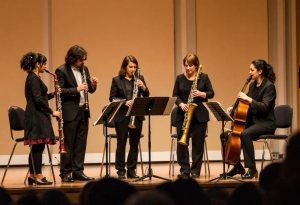
The woodwind quintet: it’s a cornerstone of chamber music. But have you ever stopped to think about its story? It's Read more
