The magnetic pull of chamber music? Undeniable. It’s a realm of intimate collaboration, individual voices intertwining to birth something extraordinary. But forming a chamber music ensemble takes more than just gathering skilled players. It demands nurturing, crystal-clear communication, and a shared artistic vision.
Years spent playing, teaching, and guiding chamber groups have given me a front-row seat to what truly works (and what definitely doesn’t). So, let’s talk about building an ensemble that not only creates breathtaking music but also cultivates a supportive, enriching environment for everyone involved.
Finding Your Musical Soulmates
First and foremost, assemble the right group. Talent? Important, sure. But compatibility? Absolutely paramount. Seek out musicians who resonate with your musical soul, share your work ethic, and are deeply committed to the project. Consider these crucial aspects:
- Musical Vision: Do you share a common language when it comes to the repertoire? Are you on the same page about interpretation and style?
- Personality: Can you imagine spending countless hours rehearsing and performing with these individuals? Are they open to feedback and collaborative problem-solving?
- Commitment: Are they willing to invest the necessary time and energy? Do they understand the demands of chamber music?
Don’t shy away from auditions. A trial period of rehearsals can reveal volumes about how well you mesh. Trust me, addressing potential issues early on is far better than discovering them months down the line.
Communication: The Unsung Hero
With your ensemble assembled, establish unbreakable lines of communication. Create a safe space where everyone feels comfortable voicing opinions, sharing ideas, and raising concerns. Here’s how:
- Regular Check-ins: Schedule regular meetings to discuss repertoire, rehearsal schedules, performance opportunities – everything and anything relevant.
- Active Listening: Practice truly listening during rehearsals and meetings. Pay attention to your colleagues and respond thoughtfully.
- Constructive Criticism: Learn to give and receive feedback with grace and support. Focus on specific musical issues, never personal attacks.
- Conflict Resolution: Develop strategies for navigating disagreements. A neutral third party can be a lifesaver in mediating disputes.
Good communication isn’t just about talking; it’s about listening, understanding, and responding with empathy. It’s about cultivating a culture of respect and trust within the ensemble. A culture where everyone feels safe to explore, experiment, and grow.

Shared Goals: The North Star
A thriving chamber music ensemble is built on shared aspirations and mutual respect. Everyone needs to be aligned on the ensemble’s purpose. Are you aiming for professional performances? Or is personal enrichment the primary goal? Perhaps exploring a specific musical era is your passion?
Mutual respect? Just as crucial. Each member brings unique skills, experiences, and perspectives. Value these differences. Create an environment where everyone feels appreciated. This means:
- Acknowledging Contributions: Recognize and celebrate each member’s contributions. Give credit where it’s due.
- Valuing Opinions: Encourage everyone to share their thoughts, even if they differ from your own. Diversity of thought strengthens the ensemble.
- Supporting Each Other: Offer unwavering support, especially during challenging times. Be each other’s cheerleaders.
Chamber music is, at its heart, a collaborative art form. The ensemble’s success hinges on the collective efforts of its members. One for all, and all for one, right?
Rehearsal Strategies for Musical Growth
Effective rehearsals are the key to musical growth. Here’s how to maximize your rehearsal time:
- Preparation: Come prepared! Practice your individual parts thoroughly beforehand.
- Focused Practice: Zero in on areas that need improvement. Targeted practice yields the best results.
- Experimentation: Don’t be afraid to try different interpretations. Explore the possibilities.
- Recordings: Record your rehearsals and listen critically. This is a powerful tool for identifying areas for improvement.
- Breaks: Take regular breaks to avoid burnout and maintain focus. A refreshed mind is a receptive mind.
Think of rehearsals as a laboratory – a space to explore, experiment, and refine your musical ideas. Be open to new possibilities and challenge your own assumptions. You might just surprise yourself.
From Rehearsal Room to Concert Stage
Preparing for a performance demands meticulous planning. Key considerations:
- Program Selection: Choose repertoire that showcases the ensemble’s strengths and interests. Passion translates to performance.
- Performance Practice: Practice performing the entire program from beginning to end. Build stamina and solidify your interpretation.
- Stage Presence: Pay attention to your stage presence and connection with the audience. Engage them with your music.
- Logistics: Handle the practical details – venue arrangements, publicity, ticket sales. Don’t let logistics distract from the music.
But the journey doesn’t end with the final bow. Take time to reflect, celebrate your successes, and learn from any missteps. Chamber music is a lifelong journey, and there’s always room to grow.
Leadership and the Art of Group Dynamics
While chamber music thrives on democracy, strong leadership is invaluable. This doesn’t necessarily mean a designated leader, but rather individuals who step up to facilitate rehearsals, organize performances, and mediate conflicts. Effective leadership involves:
- Facilitation: Guiding discussions and ensuring everyone has a voice.
- Organization: Managing schedules, coordinating logistics, and keeping the ensemble on track.
- Mediation: Resolving conflicts and fostering a positive environment.
Understanding group dynamics is essential. Every ensemble has its own unique personality. Be aware of the dynamics within your group and adapt accordingly. Some groups thrive on lively debate, while others prefer a more collaborative approach.
The Enduring Magic of Chamber Music
Building a successful chamber music ensemble is a challenging, yet profoundly rewarding journey. It demands dedication, patience, and a collaborative spirit. But the rewards? Immeasurable. The joy of creating beautiful music with kindred spirits, the satisfaction of overcoming challenges together, and the deep connection that arises from sharing a common passion.
So, gather your musical allies, embrace the challenges, and embark on this incredible adventure. You won’t regret it. The journey itself is the reward.
As the great Itzhak Perlman once said, “Chamber music is a conversation between friends.” May your conversations be rich, rewarding, and filled with beautiful music.
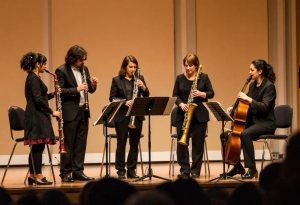
The woodwind quintet: it’s a cornerstone of chamber music. But have you ever stopped to think about its story? It's Read more
